
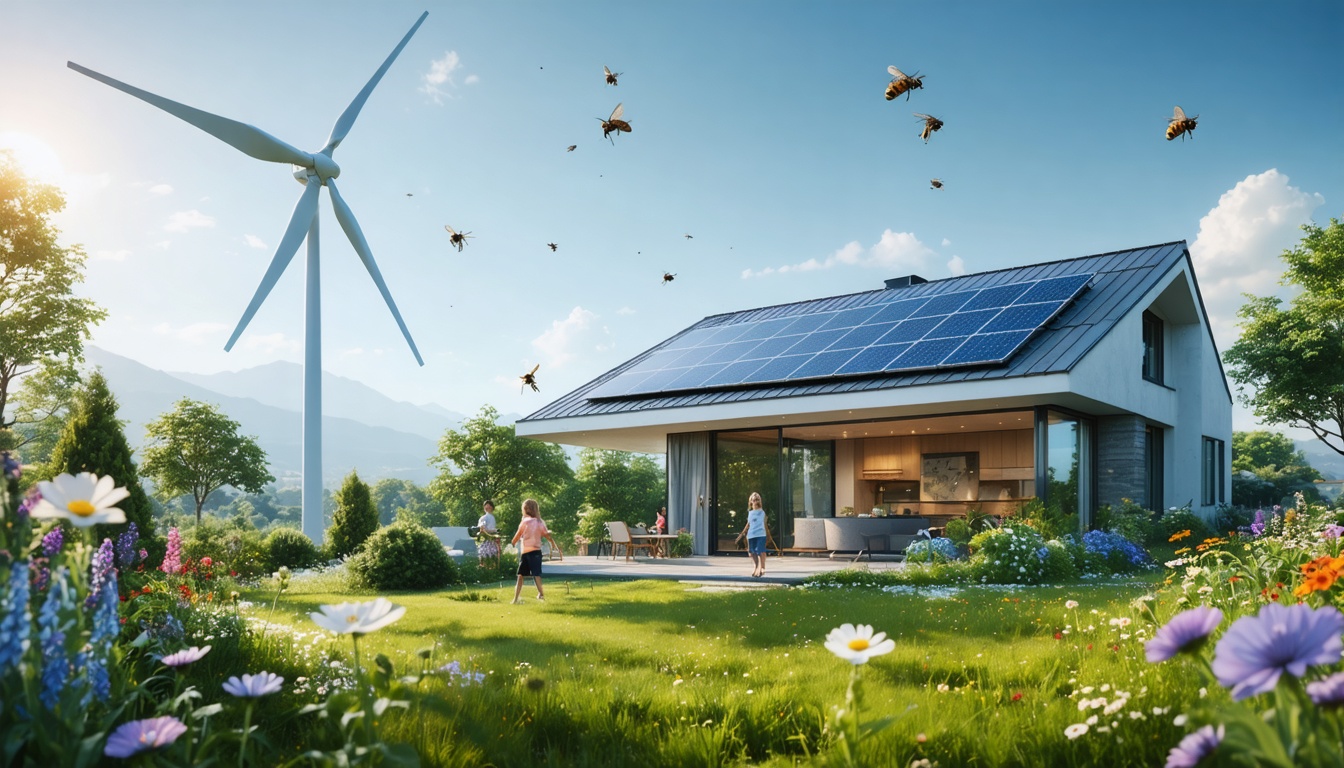
The Environmental Benefits of Choosing Renewable Energy at Home
Transitioning to renewable energy in your home represents a significant step toward reducing environmental impact and improving air quality. By adopting renewable energy sources such as solar, wind, or hydroelectric power, households can contribute to a reduction in harmful emissions that contribute to air pollution and climate change. Research indicates that increased use of renewable energy can lead to lower levels of greenhouse gas emissions, as these energy sources typically produce little to no emissions during operation. This shift not only benefits individual households but also has the potential to enhance public health by improving overall air quality. Furthermore, the adoption of renewable energy helps conserve natural resources. Traditional energy sources often rely on finite resources like fossil fuels, which are not only limited in availability but also cause significant environmental degradation through extraction and consumption processes. In contrast, renewable energy relies on resources that are naturally replenished, thereby promoting a more sustainable approach to energy consumption. In summary, choosing renewable energy for home use can lead to measurable benefits for the environment, public health, and conservation of resources. These collective advantages contribute to a more sustainable future for both local communities and the planet.
Understanding Renewable Energy and Its Sources
Renewable energy is generated from sources that naturally regenerate, such as sunlight, wind, rain, tides, waves, biomass, and geothermal activity. Various technologies, including solar panels, heat pumps, and wind turbines, can effectively harness these resources for residential energy application.
The transition to renewable energy is an important approach for decreasing dependence on fossil fuels, consequently reducing carbon dioxide emissions and overall greenhouse gas outputs.
The increase in renewable electricity generation offers several advantages. These include job creation within the green energy sector, enhancements in air quality, and a reduced environmental footprint associated with supply chains.
In the United States, wind power and other renewable energy sources are integral to fostering a sustainable economy and supporting policies aimed at achieving net-zero carbon emissions. Utilizing these renewable resources is crucial for mitigating the effects of climate change by lessening greenhouse gas emissions.
In summary, the incorporation of renewable energy sources is a fundamental component of current energy policy and environmental management strategies, assisting in the transition to a more sustainable future.
Minimizing Greenhouse Gas Emissions and Air Pollution
Transitioning a home’s energy supply to renewable sources such as solar or wind can effectively reduce greenhouse gas emissions and air pollution, which are significant concerns for both environmental sustainability and public health. Research indicates that electricity generated from fossil fuels emits approximately three times more carbon dioxide per unit compared to renewable energy sources.
Incorporating technologies like heat pumps, solar panels, wind turbines, and electric vehicles plays a crucial role in moving away from conventional power generation methods. These actions contribute to broader efforts to achieve Net Zero emissions targets. It is important to note that home energy choices, including the adoption of sustainable heating solutions and cleaner electricity sources, can significantly lower air pollution levels and decrease greenhouse gas emissions.
In the United States, various tax credits and incentives are available to encourage this transition, which can further support efforts to minimize air pollution and promote cleaner energy practices.
Supporting Clean Air, Water, and Public Health
Fossil fuels have long served as a significant energy source for numerous daily activities. However, there is an observable shift towards cleaner energy alternatives that may improve air quality, water safety, and public health outcomes.
The integration of renewable energy sources such as solar panels and wind turbines is correlated with a reduction in air pollution and carbon dioxide emissions. This transition is vital for enhancing air quality at both local and national scales.
Renewable energy generation is associated with minimal to no greenhouse gas emissions, which can mitigate the effects of climate change and reduce health-related issues linked to poor air quality, notably respiratory conditions.
Additionally, the implementation of Net Zero heating strategies—which may include the use of heat pumps, electric vehicles, and sustainable fuel options—has the potential to contribute to cleaner water resources and support healthier ecosystems.
Individual actions taken in households, such as decreasing reliance on fossil fuels or adopting energy-efficient technologies, collectively contribute to broader efforts aimed at safeguarding natural resources and enhancing public health.
A coordinated approach to the energy transition could yield significant benefits for communities and the environment.
Reducing Environmental Impact and Preserving Biodiversity
Opting for cleaner energy sources at home results in a significant reduction in the environmental impact associated with traditional energy production methods. Technologies such as wind turbines, heat pumps, and solar panels have been shown to lower carbon dioxide emissions and other greenhouse gases.
The transition to a Net Zero framework, which emphasizes electricity generated from renewable resources, is linked to minimal to no greenhouse gas emissions. Additionally, this transition can lead to reduced habitat disruption that is typically associated with fossil fuel extraction and the operations of conventional power plants.
Cleaner energy sources can also improve air quality, which is beneficial for biodiversity, especially in urban environments where numerous species depend on healthier ecosystems. For example, improved air quality can support plant life and reduce respiratory issues in animal populations, creating a more balanced ecological community.
Overall, the United States has the capacity to significantly mitigate the effects of climate change by adopting cleaner fuel alternatives. This approach not only addresses environmental preservation objectives but also aligns with initiatives aimed at protecting and sustaining biodiversity, which is vital for maintaining ecological stability.
Advancing Economic Growth and Job Creation
As the energy sector moves towards cleaner sources, the economic effects encompass various dimensions beyond environmental benefits. Implementing renewable energy solutions, such as New Hampshire Solar Panel Companies, heat pumps, and wind turbines, is associated with job creation and enhanced economic activity.
As of the previous year, the renewable energy sector accounted for approximately 35 million jobs, with forecasts suggesting that this number could increase significantly by 2030.
Investing in renewable energy projects can generate multiple economic advantages. For instance, these projects often lead to lower heating expenses and provide access to sustainable tax incentives.
Furthermore, transitioning away from fossil fuels is a key objective of these initiatives. The shift towards renewable electricity generation is intended to reduce carbon dioxide emissions and improve air quality by lowering overall greenhouse gas emissions.
This comprehensive transformation in energy production can foster a more robust economic structure while promoting environmental sustainability.
Enhancing Energy Security and Community Resilience
The choice of energy sources has important implications beyond individual financial aspects. Transitioning to renewable energy technologies, such as solar panels, wind turbines, and heat pumps, can enhance energy security by decreasing reliance on imported fossil fuels.
This shift can strengthen the resilience of local energy supply systems, as decentralized electricity generation reduces vulnerabilities related to supply chains and helps stabilize costs, especially during periods of fluctuations in fossil fuel markets.
The adoption of clean energy sources, including wind power and electric vehicles, can significantly contribute to sustainability goals by improving air quality and reducing greenhouse gas emissions.
In addition, the transition to renewable energy may stimulate local economies by generating job opportunities in sectors associated with renewable technology and infrastructure. This economic development aligns with broader environmental and climate objectives established at the national level in the United States.
In summary, the transition to renewable energy addresses not only the individual aspects of energy consumption but also supports the development of a more sustainable and resilient energy framework, yielding beneficial effects for local economies and climate-related goals.
Key Challenges and Considerations for Home Adoption
Homeowners contemplating the adoption of renewable energy encounter several practical challenges that may impede their transition to more sustainable energy solutions. While the environmental benefits of renewable energy, such as lower carbon emissions, are well-documented, the initial financial costs of investing in technologies like solar panels, heat pumps, and wind turbines remain a significant obstacle. Even with available tax incentives, the upfront expenses can deter many potential adopters.
Moreover, the expenditures required for energy storage systems, necessary due to the intermittent nature of many renewable sources, add to the financial burden. The high costs of batteries and other storage solutions can be a barrier to widespread adoption, limiting the effectiveness of renewable energy systems.
Geographical factors further influence the feasibility of using renewable energy. Urban environments may face space limitations for infrastructure installation, while rural areas might encounter challenges related to grid access and energy distribution. These varying conditions necessitate tailored approaches to renewable energy deployment.
Additionally, regulatory frameworks can impede efforts toward sustainable practices and the goal of achieving Net Zero emissions. Policies that govern energy production and consumption often lag behind technological advancements, creating uncertainties for both consumers and investors.
Compounding the above issues are supply chain complications associated with the sourcing of materials for renewable technologies. The extraction and processing of natural resources used in manufacturing can raise concerns regarding environmental impact and their contribution to climate change.
Given these complexities, careful planning is essential for transitioning from fossil fuels to renewable energy in the United States. Strategic initiatives are necessary to address economic, regulatory, and infrastructural challenges while working towards a sustainable energy future and reducing greenhouse gas emissions.
Conclusion
Choosing renewable energy for residential use can lead to a reduction in carbon emissions, which contributes to improved air quality and public health. This transition supports environmental sustainability by utilizing resources that are replenished naturally, such as solar, wind, and hydro energy, rather than relying on finite fossil fuels. Utilizing renewable energy may also have economic implications. It can lead to job creation in sectors related to the manufacturing, installation, and maintenance of renewable energy systems. Additionally, widespread adoption of these technologies can result in lower energy costs over time, as renewable energy sources typically have lower operational costs once established. Moreover, adopting renewable energy aligns with national and international sustainability goals aimed at mitigating climate change impacts. Using renewable sources can enhance a community's resilience against environmental challenges, including extreme weather events linked to climate change. Each transition to clean energy can thus result in measurable benefits for individuals, communities, and the broader environment.